
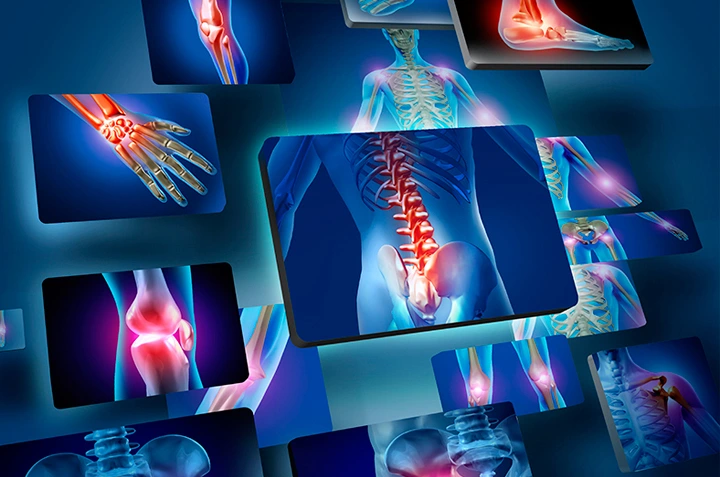
Accidental fractures are one of the most common orthopedic injuries and can occur at any age. They often result from falls, road accidents, sports injuries, or sudden impacts. A fracture happens when a bone cracks or breaks due to excessive force. Depending on the severity, treatment may include a cast, splint, medication, or sometimes surgery.
While medical treatment stabilizes the bone, proper care during the healing period is equally important. Good recovery habits can help bones heal faster and prevent complications. Below are care tips to support healing after an accidental fracture.
1. Seek Immediate Medical Attention
The first and most important step after a suspected fracture is to seek medical care as soon as possible. Delaying treatment can worsen the injury and may cause the bone to heal incorrectly.
Doctors usually confirm fractures through physical examination and imaging tests like X-rays. Once diagnosed, they will stabilize the bone using a cast, splint, or surgical procedure if necessary. Early treatment helps align the bone properly and improves the chances of a smooth recovery.
2. Keep the Injured Area Immobilized
Immobilizing the injured bone is essential for proper healing. When a bone is fractured, movement can disrupt the natural healing process and delay recovery.
Casts, braces, or splints are commonly used to keep the bone in the correct position. It is important to follow your doctor’s instructions and avoid putting pressure on the injured area. Keeping the limb stable allows the bone tissues to rebuild and heal effectively.
3. Maintain Proper Nutrition for Bone Healing
Nutrition plays a vital role in strengthening bones during recovery. The body requires important nutrients such as calcium, vitamin D, protein, and magnesium to rebuild bone tissue.
Foods like milk, yogurt, cheese, leafy green vegetables, nuts, fish, eggs, and lean meats are excellent choices for supporting bone health. Vitamin C from fruits like oranges and strawberries also helps repair tissues and improve healing.
A healthy and balanced diet can significantly support the body’s natural healing process.
4. Gradually Restore Movement
After the bone starts healing, your doctor may recommend physiotherapy or gentle exercises. These activities help restore mobility, muscle strength, and joint flexibility.
a limb remains immobilized for several weeks, muscles around the area may become stiff or weak. Controlled exercises help improve blood circulation and prevent long-term stiffness.
However, it is important to start slowly and avoid overexertion. Always follow your healthcare provider’s guidance when beginning rehabilitation.
5. Prevent Future Injuries
Once a fracture heals, taking precautions to prevent future accidents is very important. Strengthening bones and improving balance can reduce the chances of another fracture.
Regular exercise, maintaining a healthy weight, and wearing proper protective gear during sports can help protect your bones. Making your home environment safer by removing slippery surfaces and ensuring proper lighting can also reduce fall risks.
These preventive measures help maintain bone health and reduce the chances of repeat injuries.
Conclusion
Accidental fractures can temporarily disrupt daily life, but with proper treatment and care, most people recover successfully. Seeking timely medical attention, protecting the injured area, maintaining good nutrition, performing guided exercises, and taking preventive measures all contribute to a smooth recovery.
If you experience severe pain, swelling, or difficulty moving the injured area, it is important to consult your doctor immediately. With the right care and patience, you can return to your normal routine safely and confidently.