
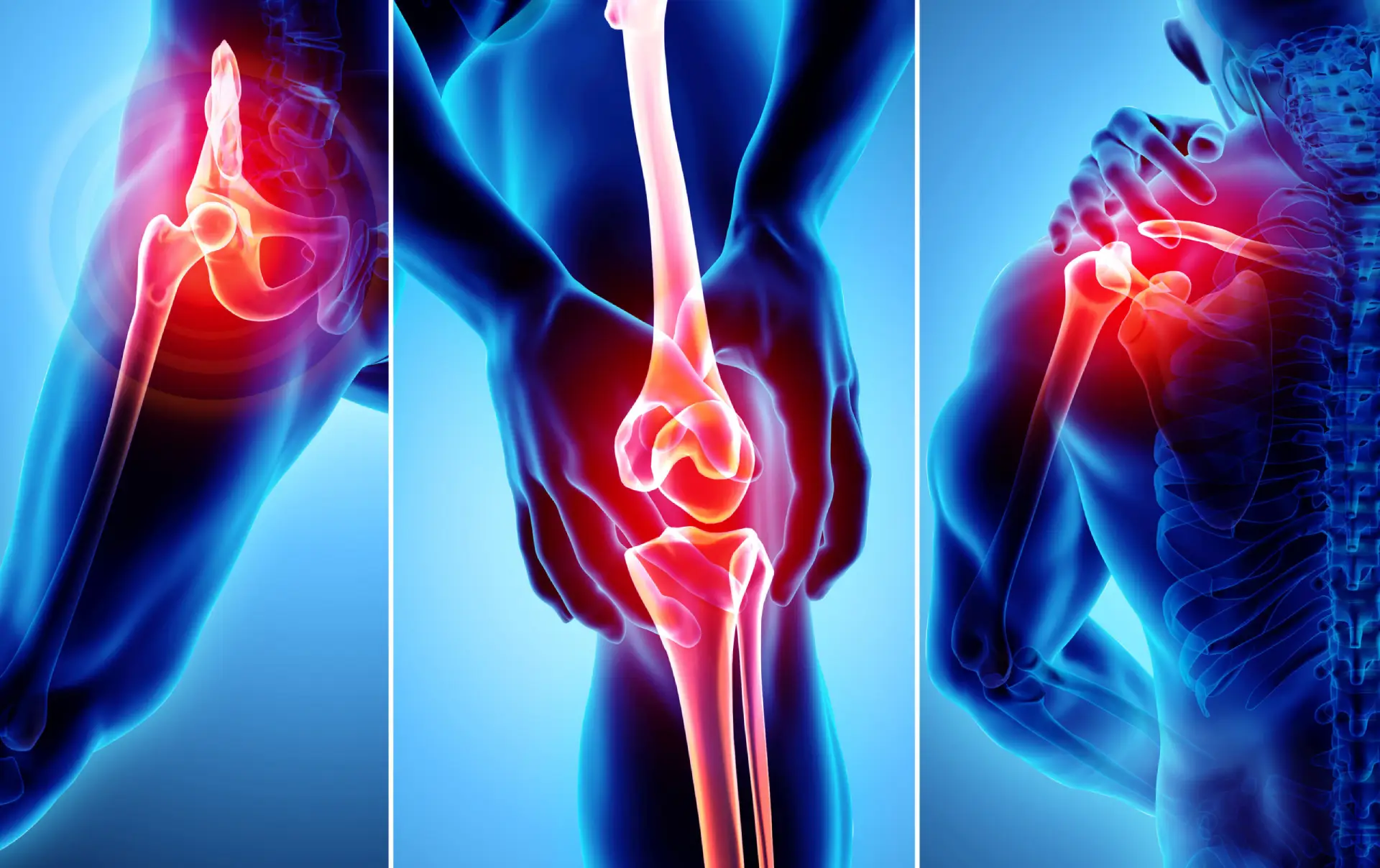
Joint replacement surgery has helped millions of people regain mobility and live pain-free lives. Whether it is a knee, hip, or shoulder replacement, the surgery itself is only one part of the journey. The recovery period plays a crucial role in determining how quickly and effectively you return to your normal activities.
Proper care, following medical advice, and adopting healthy habits can significantly improve healing time and overall results. Here are the top five tips that can help you recover faster after joint replacement surgery.
1. Follow Your Physical Therapy Plan
Physical therapy is one of the most important aspects of recovery after joint replacement surgery. After surgery, the muscles around the joint may feel weak or stiff. A structured physical therapy program helps restore strength, flexibility, and movement.
Your physiotherapist will guide you through exercises designed specifically for your joint. These exercises improve blood circulation, prevent stiffness, and help the new joint function properly.
It is important to perform the recommended exercises regularly at home, even if they feel slightly uncomfortable at first. Consistency is key to regaining mobility and preventing long-term complications.
2. Manage Pain and Swelling Properly
Pain and swelling are common during the initial recovery period. Proper management helps you stay comfortable and allows you to participate in rehabilitation exercises more effectively.
Doctors often recommend a combination of medications, ice therapy, and rest to control discomfort. Applying ice packs to the surgical area can help reduce swelling and inflammation. Keeping the affected limb elevated when resting may also help reduce fluid buildup.
Always follow your doctor’s instructions when taking medications and avoid self-medicating without professional advice.
3. Maintain a Healthy and Balanced Diet
Nutrition plays a vital role in healing after surgery. A balanced diet provides the body with essential nutrients needed to repair tissues and strengthen bones.
Foods rich in protein, vitamins, and minerals help accelerate the healing process. Include lean meats, fish, eggs, dairy products, legumes, fruits, and vegetables in your meals. Calcium and vitamin D are particularly important for bone health.
Staying well-hydrated is equally important. Drinking enough water supports circulation and helps the body recover more efficiently.
4. Stay Active but Avoid Overexertion
Movement is important for recovery, but it should be done carefully and gradually. Light activities such as short walks can help improve blood flow and prevent stiffness in the joint.
However, it is essential to avoid activities that place excessive stress on the new joint. High-impact movements, heavy lifting, or sudden twisting motions can slow down the healing process or even damage the implant.
Follow your doctor’s activity guidelines and increase your activity level step by step as your strength improves.
5. Protect Your Joint and Prevent Falls
During the early stages of recovery, the new joint and surrounding tissues are still healing. Taking precautions to prevent falls or injuries is very important.
Simple adjustments at home can make a big difference. Remove loose rugs, ensure proper lighting, and install handrails or support bars in areas like bathrooms and staircases. Using assistive devices such as walkers or canes may also provide extra stability while walking.
Wearing comfortable, non-slip footwear can further reduce the risk of accidents and help you move safely.
Final Thoughts
Recovering from joint replacement surgery requires patience, commitment, and proper care. By following your physical therapy routine, managing pain effectively, maintaining a healthy diet, staying active in a controlled way, and protecting your joint from injury, you can significantly improve your recovery process.
With the right approach and medical guidance, most patients can return to their daily activities with improved mobility and a better quality of life.
If you are considering joint replacement surgery or are currently recovering from it, always stay in close contact with your healthcare provider and follow their recommendations for the best results.